

Complications After Dental Implant Insertion – What You Need to Know
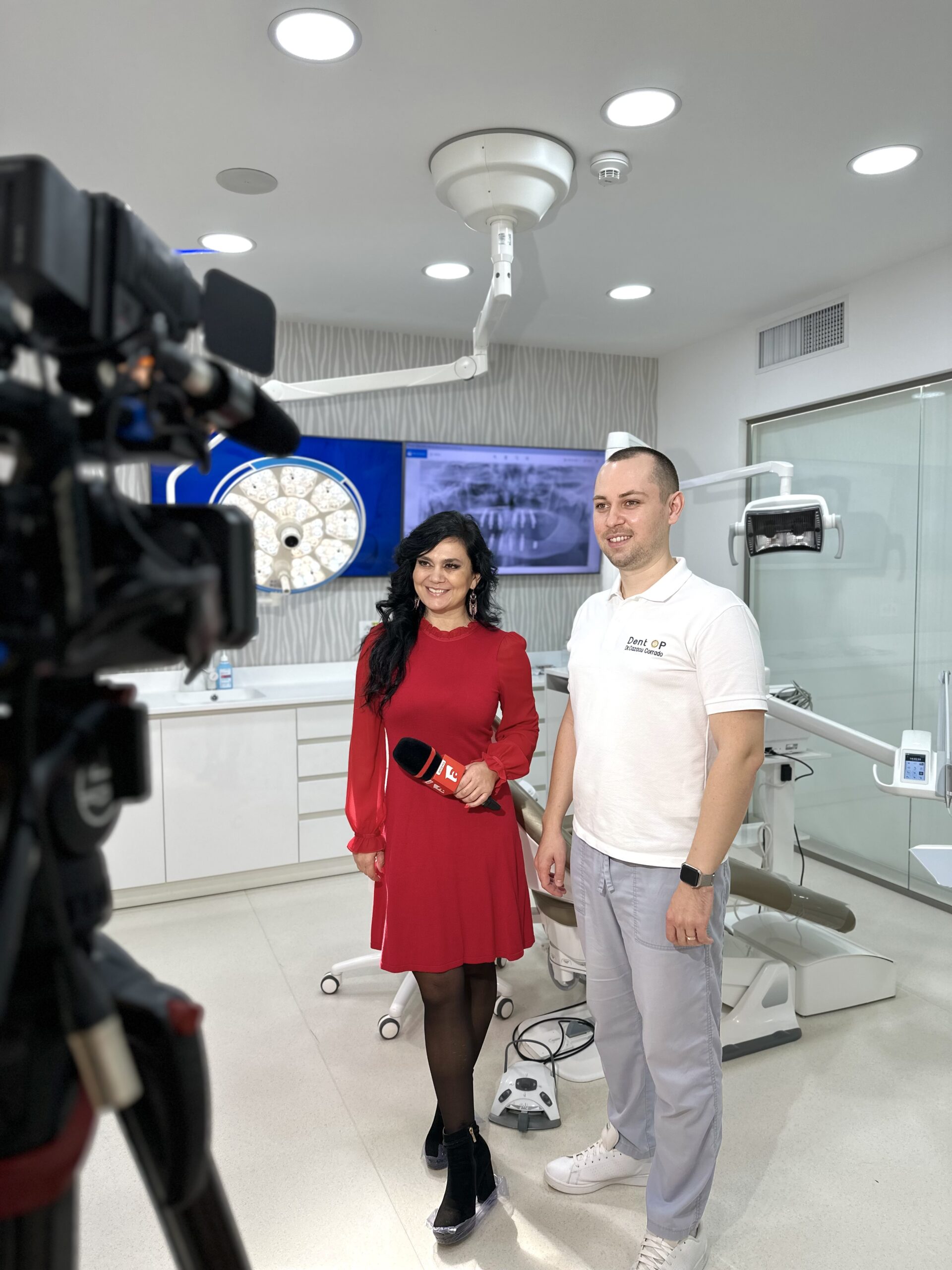
Dental implants have a success rate of over 96% in the long term, but there are cases where complications can occur. During the show “Neatza cu Răzvan si Dani”, Dr. Cazacu Corrado discussed with Simona Bălănescu about the possible problems that can arise after the insertion of dental implants and what prevention measures are recommended.
Short-term complications after dental implant insertion
Although the success rate is very high, sometimes immediate complications can occur, such as:- Infections in the implant area: This is a problem that can occur especially in cases where bone addition has been used. It is important that the intervention is carried out under strict conditions of asepsis and antisepsis, in order to prevent infections.
- Lack of osseointegration: This occurs when the dental implant does not fix properly in the bone. Usually, it happens when the patient does not comply with the indications not to force the provisional labor and consumes hard food immediately after the operation.
Long-term complications of dental implants
Long-term complications include:- Peri-implantitis: This is an infection around the dental implant and is manifested by inflammation of the gums, bleeding when brushing, an unpleasant taste and a feeling of discomfort. This condition occurs when oral hygiene is improper and plaque accumulates around the implant.
- Risk factors: Smoking is another major factor that can contribute to dental implant complications, as the substances in cigarette smoke reduce blood flow and weaken local immune defenses.
- Implant quality: Choosing dental implants of questionable quality can lead to fractures or other structural problems over time.
How can you prevent complications after dental implant insertion?
Prevention is the key to long-term success. Dr. Cazacu Corrado recommends that patients ask for more medical opinions before opting for a dental implant treatment. It matters a lot:- Experience of the surgeon performing the surgery
- Modern technologies used intraoperatively and postoperatively
- Quality of materials used for the dental implant and crown